What to Document Before You Transfer an Analytical Method
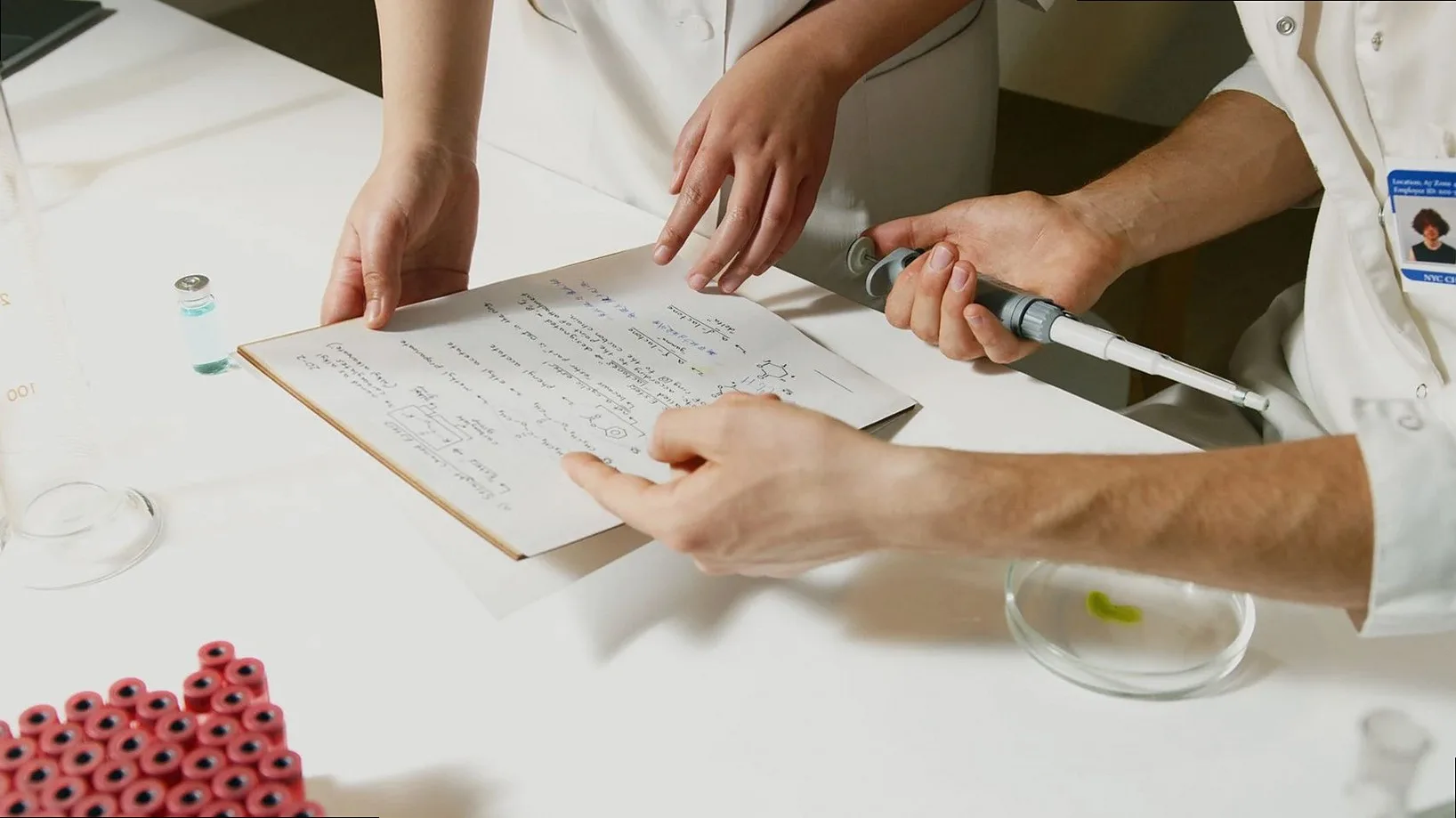
Method transfers fail for predictable reasons. The written protocol is incomplete. The originating laboratory has habits that were never written down. The reagent specifications are vague. None of these problems are difficult to fix before the transfer starts, but they are time-consuming and expensive to fix after the receiving laboratory has already spent weeks getting inconsistent results.
The gap between the written protocol and what actually happens
Every laboratory that has run a method for more than a few months has accumulated small deviations from the written protocol. Adjustments that improved the result, workarounds for a quirky instrument, timing changes that nobody updated in the SOP. These deviations are usually known to the people running the method and unknown to everyone else.
Before a transfer, ask the scientist who last ran the method successfully to walk through the protocol verbally while someone else follows along with the written version. Note every point where the verbal description differs from the written one. Those differences are the transfer risk.
Reagent and consumable specifications
Reagent lot numbers matter more than most written protocols acknowledge. Antibody performance in particular can vary between lots in ways that shift the standard curve enough to affect quantification. Document the specific lot numbers used in the most recent successful run, and if possible, retain a portion of those lots to use as a reference during the transfer.
Consumables are less often documented but can also affect results. Plate brand and coating type, pipette tip brand, and even the brand of blocking buffer have all been implicated in reproducibility problems during method transfers we have worked on.
Instrument conditions and environmental factors
Plate reader settings. Gain, integration time, read height for fluorescence. Should be recorded exactly, not described generically. If the originating laboratory uses a specific instrument model, note it. The receiving laboratory may have a different model, and the settings will need to be cross-validated rather than copied directly.
Temperature and humidity in the laboratory can affect assay performance, particularly for assays with long incubation steps. If the originating laboratory runs the assay in a temperature-controlled room, note the temperature. If the receiving laboratory does not have the same conditions, that is a variable to investigate during the transfer qualification.
What a complete transfer package looks like
A complete method transfer package should include: the current written protocol with version number and date; a verbal walkthrough transcript or recording; reagent and consumable specifications with lot numbers; instrument settings; the most recent validation data; and a set of reference samples the receiving laboratory can use to confirm the method is performing correctly after transfer.
This is more documentation than most transfers start with. But it is also the documentation that makes the difference between a transfer that takes eight weeks and one that takes seven months.
The time spent assembling a complete transfer package before the work starts is almost always less than the time spent troubleshooting an incomplete transfer after the fact. It is worth being thorough at the beginning.